
The Ultimate Car Care Guide: Keep Your Vehicle Running Smoothly
Owning a car is a big responsibility. You want to avoid costly repairs and keep your vehicle safe and reliable. The good news is that regular maintenance can help you do just that. In this guide, I will walk you through the essential steps to care for your car. You will learn practical tips that save money and prevent breakdowns. Let’s get started on making your car last longer and perform better.
Why a Car Care Guide Matters
Taking care of your car is not just about fixing problems when they happen. It’s about preventing those problems in the first place. When you follow a simple routine, you reduce the risk of unexpected repairs. This means fewer trips to the mechanic and more time on the road.
A good car care guide helps you understand what to check and when. It breaks down complex tasks into easy steps. You don’t need to be a mechanic to keep your car in top shape. With the right knowledge, you can spot issues early and take action.
Regular maintenance also protects your investment. Cars are expensive, and repairs can add up quickly. By staying on top of basic care, you keep your vehicle running efficiently and safely. This guide will give you the confidence to handle routine checks and know when to seek professional help.
Essential Car Care Guide: What to Check and When
To keep your car running smoothly, focus on these key areas. Each one plays a vital role in your vehicle’s health.
1. Check Your Fluids Regularly
Fluids keep your car’s engine and systems working properly. Here are the main ones to watch:
Engine oil: Check the level and color monthly. If it’s low or dark, it’s time for a change.
Coolant: Keeps your engine from overheating. Check the level every few months.
Brake fluid: Essential for safe stopping. Check it every six months.
Transmission fluid: Helps gears shift smoothly. Check according to your owner’s manual.
Windshield washer fluid: Keeps your windshield clean. Top off as needed.
Checking fluids is simple. Open the hood, locate the reservoirs, and use the dipsticks or markings to check levels. If you’re unsure, your owner’s manual will guide you.
2. Inspect Tires for Safety and Performance
Tires are your car’s only contact with the road. Proper tire care improves safety, fuel efficiency, and comfort.
Tire pressure: Check monthly with a gauge. Inflate to the recommended PSI found on the driver’s door jamb.
Tread depth: Use a penny test or tread gauge. Replace tires if tread is below 2/32 inch.
Look for damage: Check for cracks, bulges, or uneven wear. These signs mean it’s time for a tire check or replacement.
Rotate tires: Every 5,000 to 7,000 miles to ensure even wear.
Proper tire care prevents blowouts and improves handling. It also saves money by extending tire life.

3. Keep Your Brakes in Top Condition
Brakes are critical for your safety. Listen and look for signs that your brakes need attention:
Squeaking or grinding noises when braking.
Vibration or pulling to one side.
Longer stopping distances than usual.
Brake warning light on the dashboard.
Have your brakes inspected at least once a year. Replace brake pads and rotors as needed. Don’t wait until you feel a problem—early maintenance saves money and keeps you safe.
4. Maintain Your Battery and Electrical System
A dead battery can leave you stranded. Keep your battery healthy with these tips:
Check battery terminals for corrosion and clean them if needed.
Test battery voltage yearly or if you notice slow engine starts.
Replace battery every 3 to 5 years or as recommended.
Also, check your lights regularly. Headlights, brake lights, and turn signals must work properly for safety and legal reasons.
5. Change Air Filters and Keep Your Engine Breathing
Your engine needs clean air to run efficiently. Replace air filters every 12,000 to 15,000 miles or as needed. A dirty filter reduces fuel economy and engine power.
Don’t forget the cabin air filter. It keeps the air inside your car fresh and free of dust and allergens. Replace it every 15,000 to 25,000 miles.
How to Spot Problems Early and Save Money
Knowing what to look for can prevent small issues from becoming expensive repairs. Here are some common warning signs:
Unusual noises: Clicking, knocking, or whining sounds.
Fluid leaks: Puddles or spots under your car.
Warning lights: Check engine, oil, or battery lights.
Changes in performance: Poor acceleration, rough idling, or stalling.
Smells: Burning, fuel, or musty odors.
If you notice any of these, don’t ignore them. Early diagnosis can save you hundreds of dollars. Use this vehicle maintenance guide to learn more about when to seek professional help.
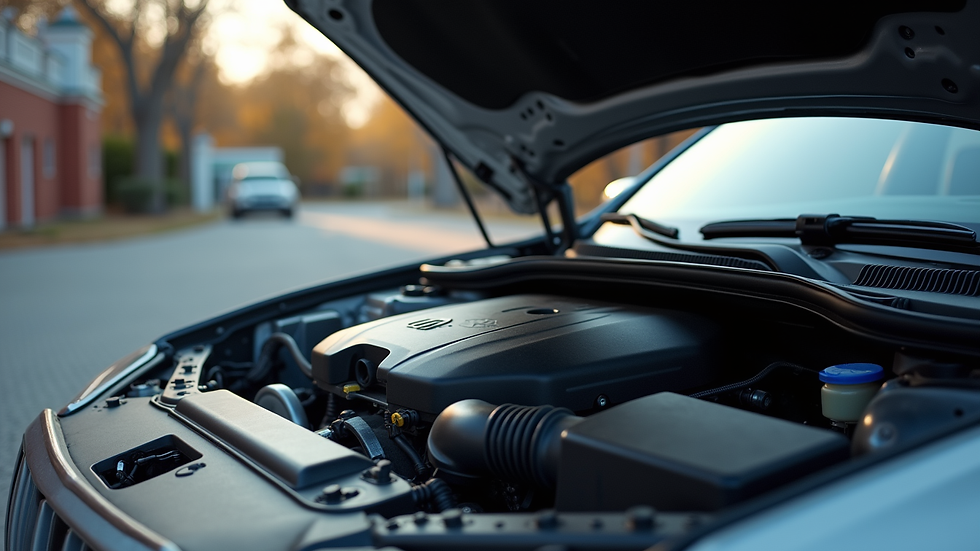
Simple Maintenance Tasks You Can Do Yourself
You don’t have to be a mechanic to handle basic car care. Here are some easy tasks you can do at home:
Check and top off fluids.
Inspect tire pressure and tread.
Replace windshield wipers.
Change air filters.
Clean battery terminals.
These tasks take little time and save you money. Always consult your owner’s manual for specific instructions and safety tips.
When to Trust the Experts
Some repairs require professional skills and tools. Here’s when to visit a trusted mechanic:
Engine or transmission problems.
Brake system repairs.
Electrical system issues.
Complex diagnostics.
Major fluid changes like transmission or differential fluid.
Choosing a reliable repair shop is important. Look for certified technicians and clear pricing. Don’t hesitate to ask questions and get a second opinion if needed.
Staying on Top of Your Car’s Maintenance Schedule
Every car has a recommended maintenance schedule. It’s your roadmap to keeping your vehicle in great shape. Follow these tips:
Keep a maintenance log.
Set reminders for oil changes, tire rotations, and inspections.
Use your owner’s manual as a guide.
Don’t skip scheduled services.
Staying organized helps you avoid costly surprises and keeps your car running smoothly for years.
Your Partner in Vehicle Care
Taking care of your car doesn’t have to be stressful. With this guide, you have the tools to keep your vehicle safe and reliable. Remember, regular maintenance is the best way to avoid expensive repairs and enjoy peace of mind on the road.
If you ever feel unsure, reach out to trusted professionals who can guide you. Your car deserves the best care, and so do you.
Drive safe and take good care of your vehicle!


Comments